Bear's Ears Dwarf Bearded Iris
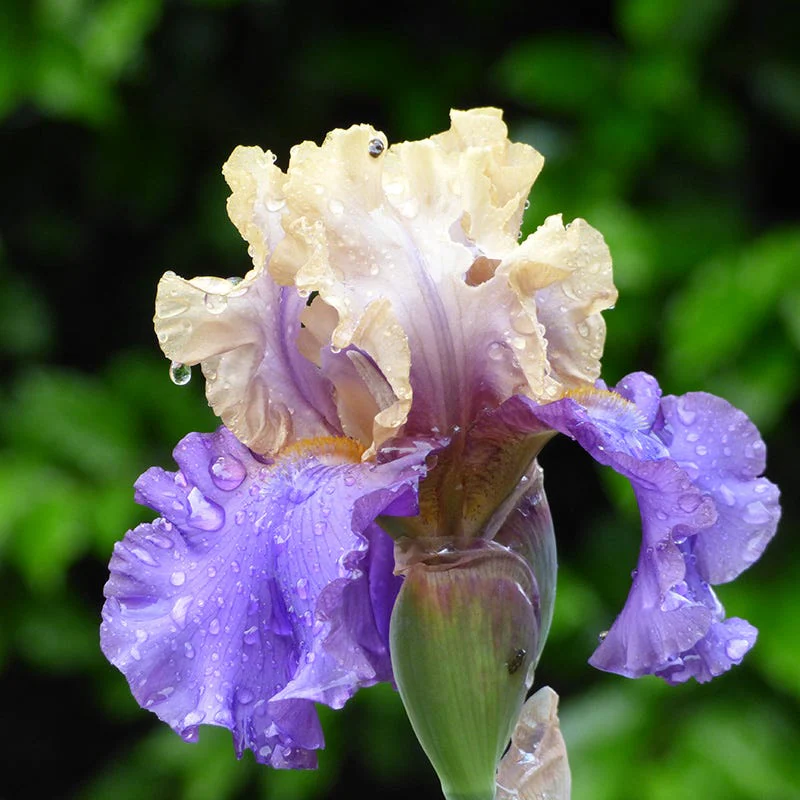
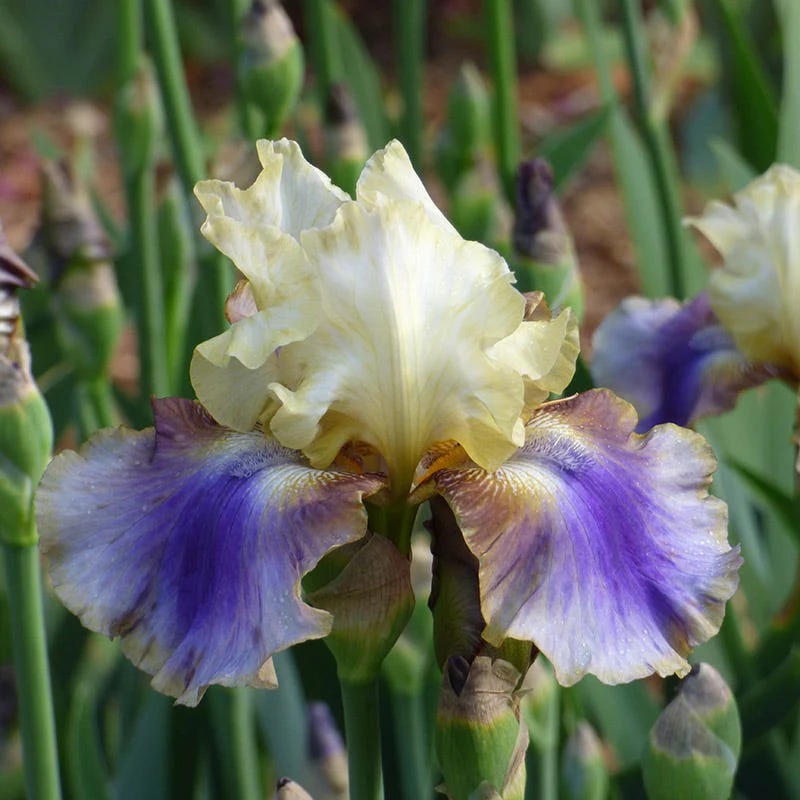
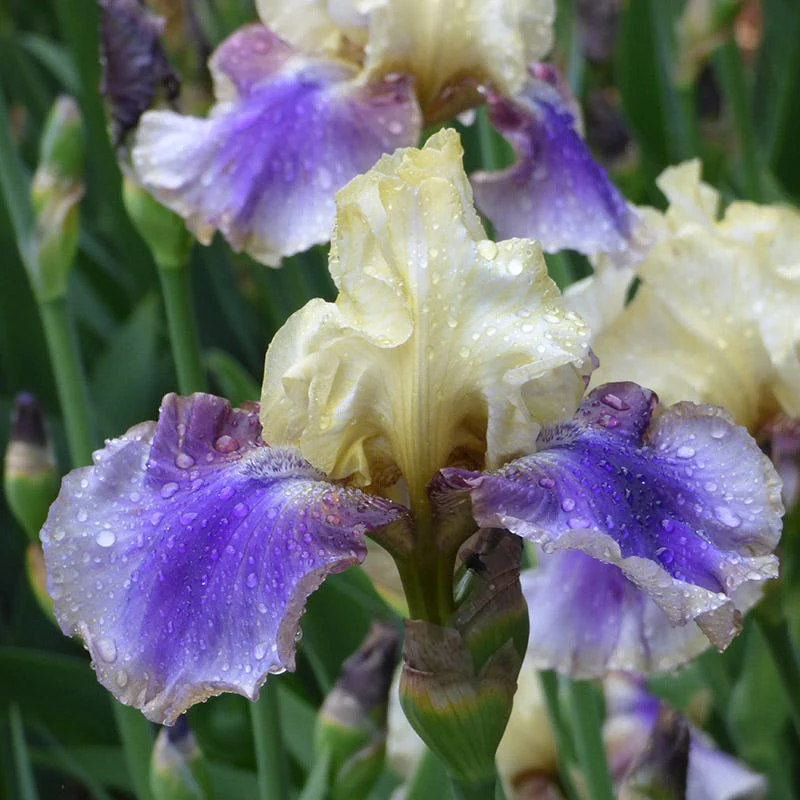
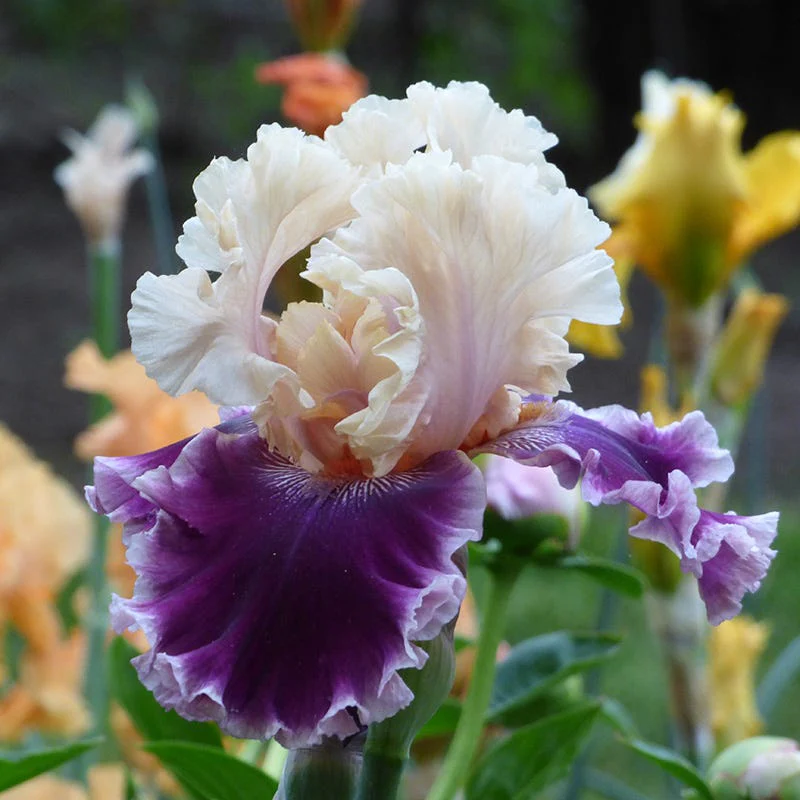
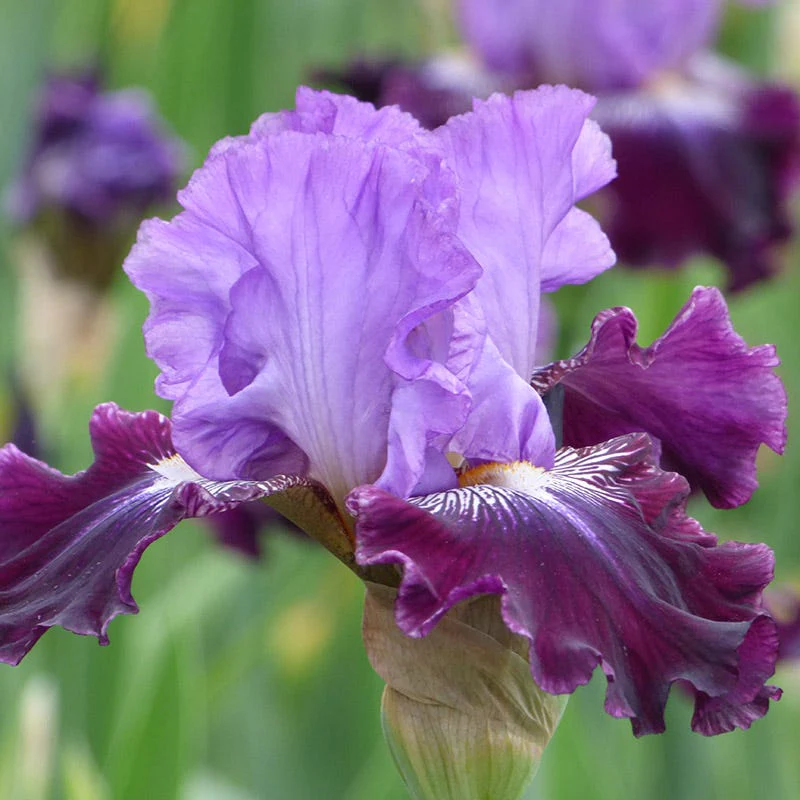
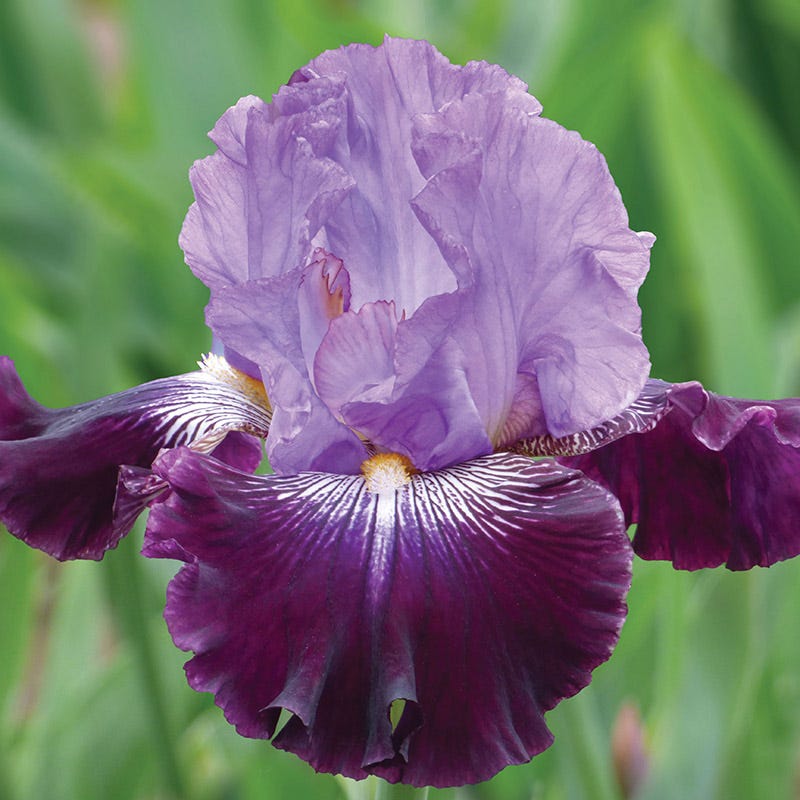
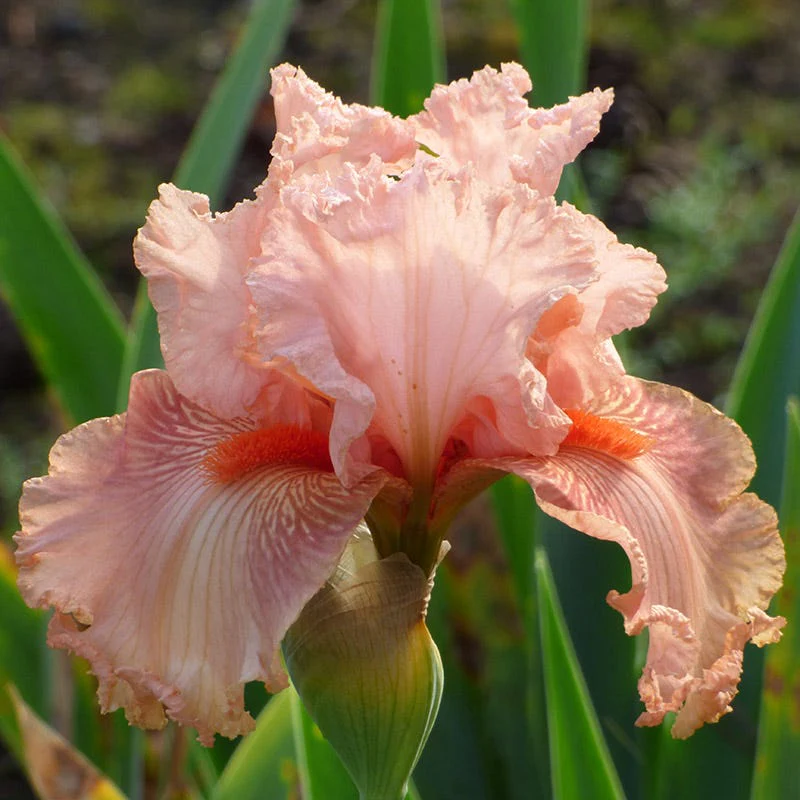
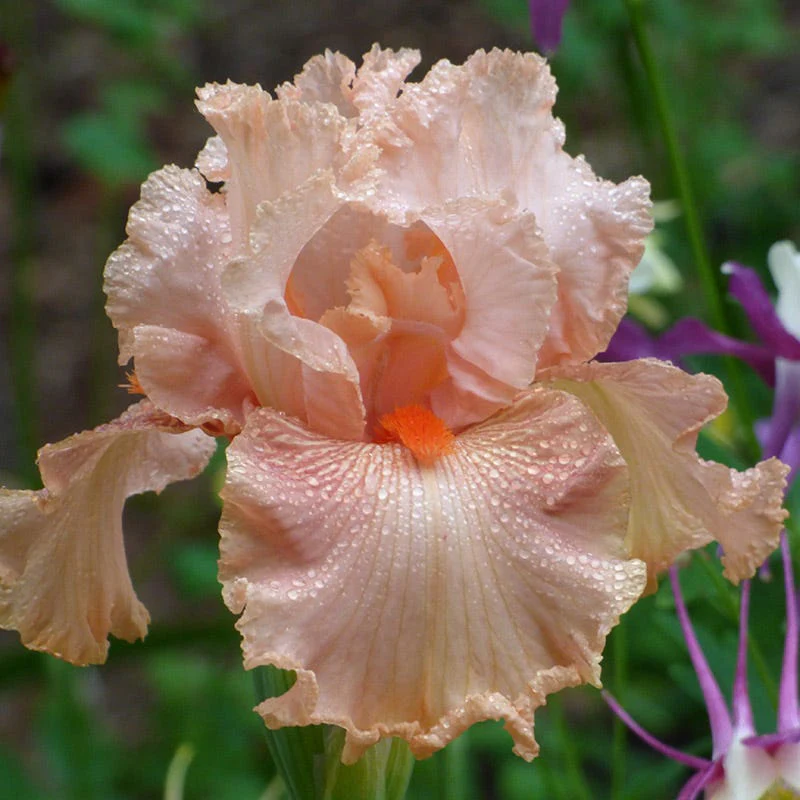
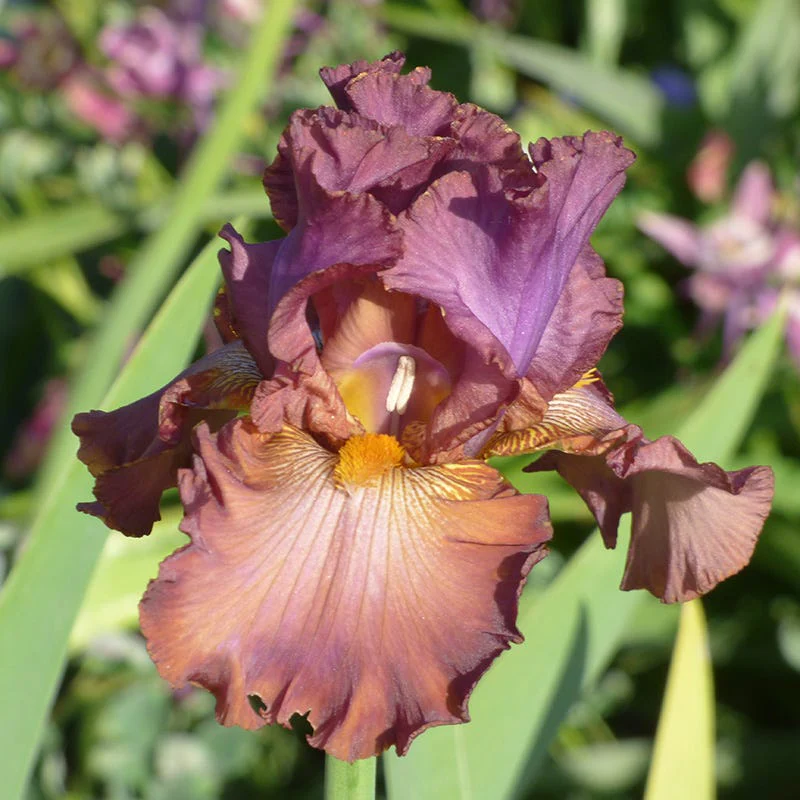
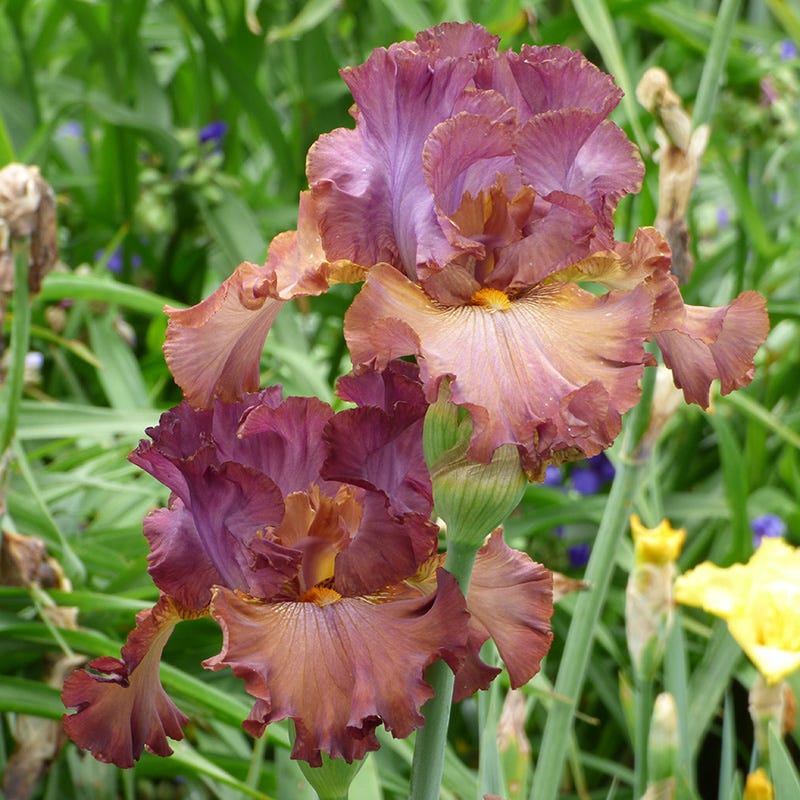
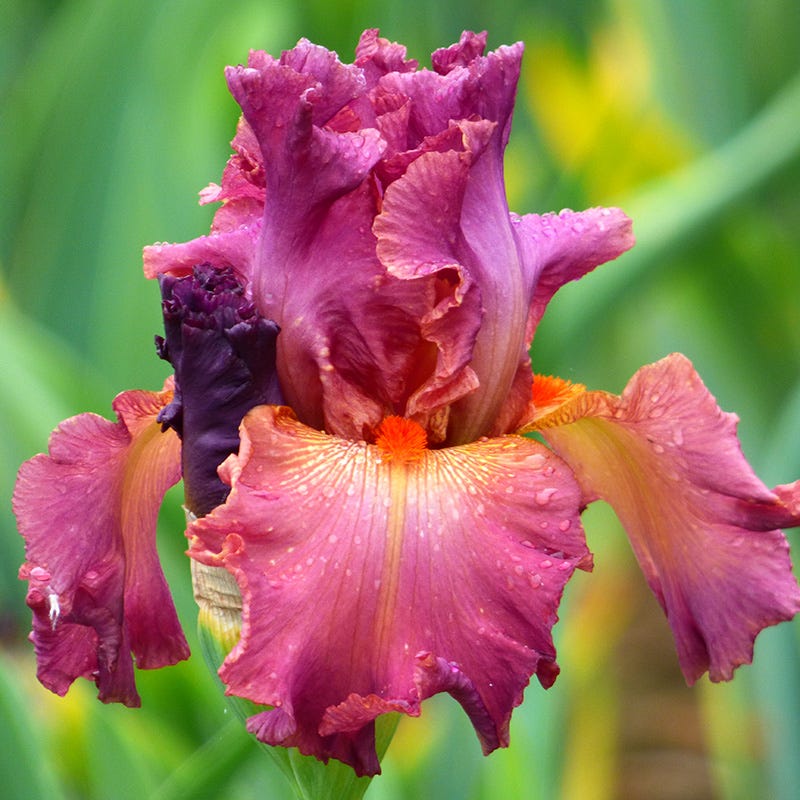
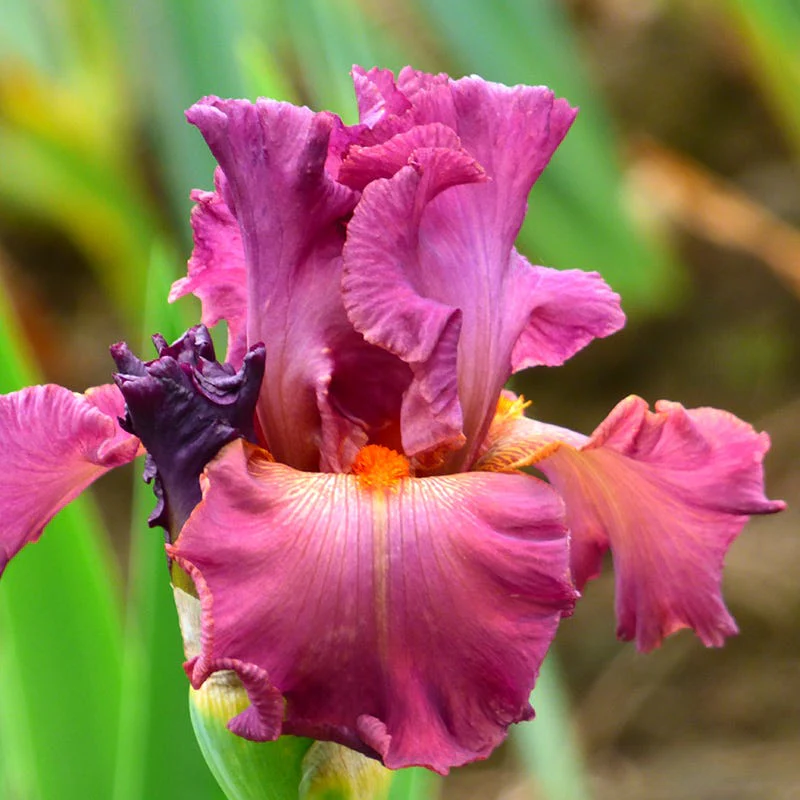
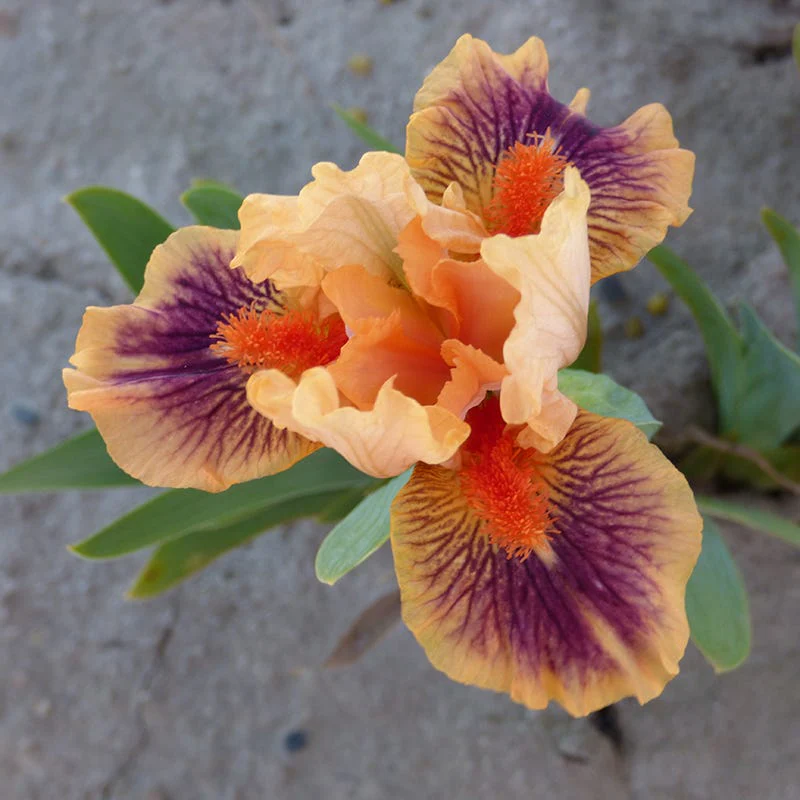
Iris pumila 'Bear's Ears' is a miniature dwarf bearded iris that pays homage to the rugged beauty of Utah’s iconic canyons. Apricot-orange standards and lavender-washed falls capture the essence of these ancient geological wonders.
Dwarf Bearded Irises are commonly referred to as "border iris," and rightly so. Small in size but big on impact, these miniature gems are perfect for edging flowerbeds or lining paths with their charming blooms.
Plant ‘Bear’s Ears’ in well-drained soil, preferably in a sunny spot – shoot for planting in mid to late summer, or early fall in warmer regions. Once they're in the ground, they take care of themselves. Their resilience makes them a must-have for any gardener looking for low-maintenance, deer-resistant plants.
Iris pumila 'Bear's Ears' is a miniature dwarf bearded iris that pays homage to the rugged beauty of Utah’s iconic canyons. Apricot-orange standards and lavender-washed falls capture the essence of these ancient geological wonders.
Dwarf Bearded Irises are commonly referred to as "border iris," and rightly so. Small in size but big on impact, these miniature gems are perfect for edging flowerbeds or lining paths with their charming blooms.
Plant ‘Bear’s Ears’ in well-drained soil, preferably in a sunny spot – shoot for planting in mid to late summer, or early fall in warmer regions. Once they're in the ground, they take care of themselves. Their resilience makes them a must-have for any gardener looking for low-maintenance, deer-resistant plants.
Original: $7.49
-65%$7.49
$2.62Description
Iris pumila 'Bear's Ears' is a miniature dwarf bearded iris that pays homage to the rugged beauty of Utah’s iconic canyons. Apricot-orange standards and lavender-washed falls capture the essence of these ancient geological wonders.
Dwarf Bearded Irises are commonly referred to as "border iris," and rightly so. Small in size but big on impact, these miniature gems are perfect for edging flowerbeds or lining paths with their charming blooms.
Plant ‘Bear’s Ears’ in well-drained soil, preferably in a sunny spot – shoot for planting in mid to late summer, or early fall in warmer regions. Once they're in the ground, they take care of themselves. Their resilience makes them a must-have for any gardener looking for low-maintenance, deer-resistant plants.