
Leadplant (Amorpha)
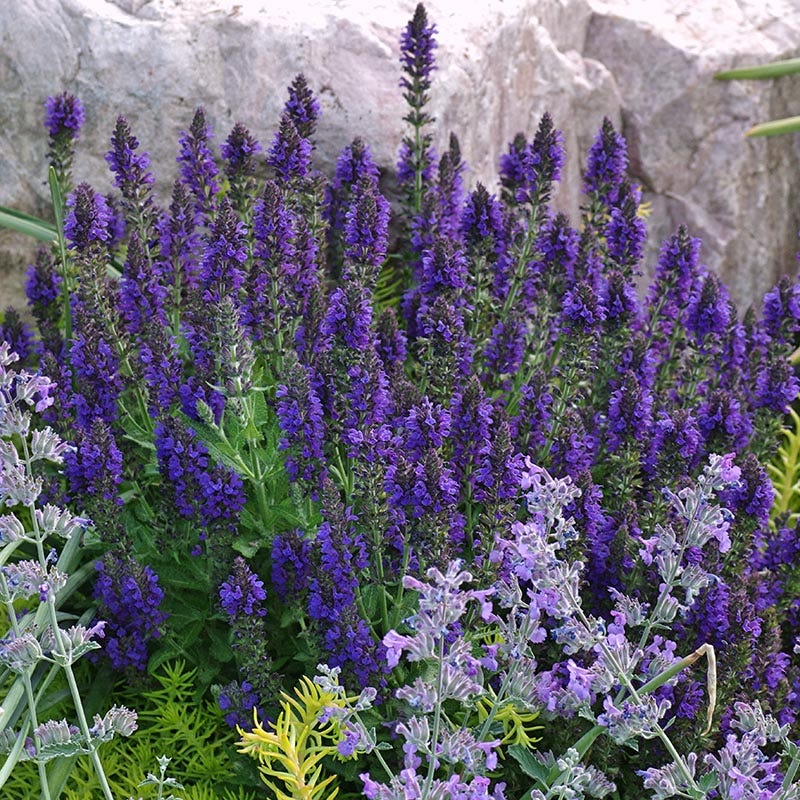
Leadplant (Amorpha canescens) is a long-lived native perennial valued for its durability, ecological benefits, and distinctive appearance. It features soft, silvery-gray foliage and upright spikes of deep purple flowers with bright orange-yellow anthers that bloom in early to mid-summer. The fine-textured leaves and compact, shrub-like form add structure and contrast to prairie plantings and sunny borders.
This warm-season native thrives in full sun and well-draining soil, particularly sandy or rocky conditions. Once established, it is highly drought tolerant due to its deep root system, making it an excellent choice for low-maintenance landscapes, prairie restorations, and xeriscapes. As a member of the legume family, Leadplant fixes nitrogen in the soil, contributing to improved soil health over time.
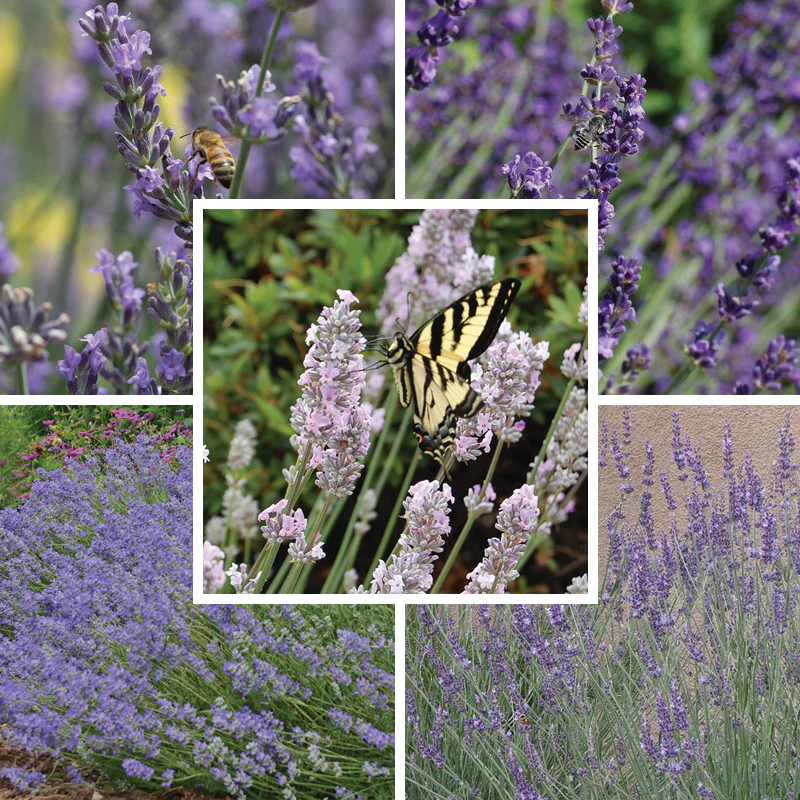
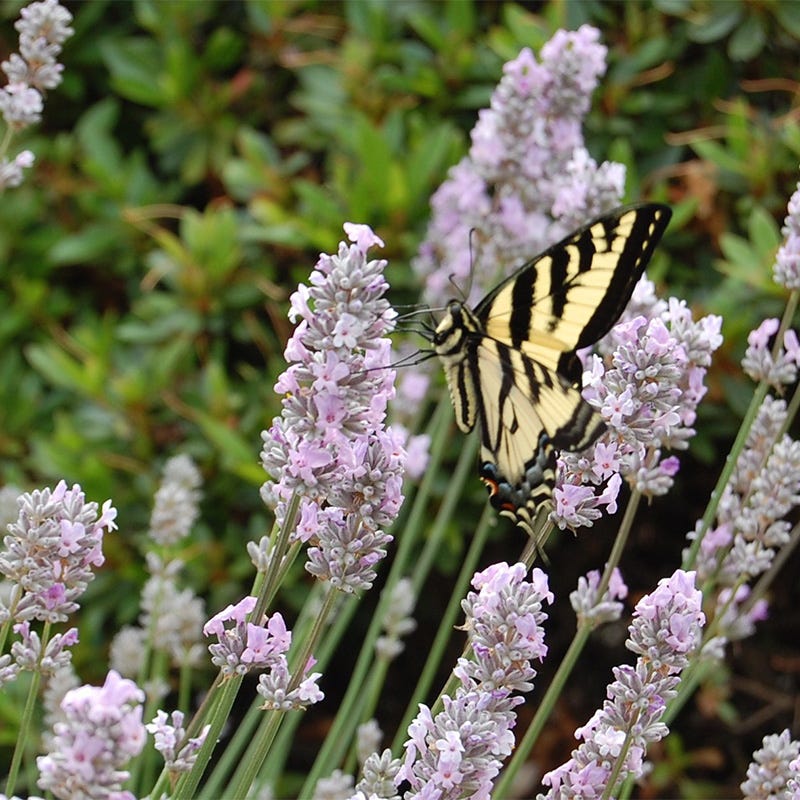
Amorpha canescens is highly beneficial for pollinators, attracting native bees and butterflies with its nectar-rich blooms. It also serves as a host plant for select butterfly species. Reliable, resilient, and ecologically valuable, Leadplant is a strong addition to native plant gardens and large-scale meadow projects.
Leadplant (Amorpha canescens) is a long-lived native perennial valued for its durability, ecological benefits, and distinctive appearance. It features soft, silvery-gray foliage and upright spikes of deep purple flowers with bright orange-yellow anthers that bloom in early to mid-summer. The fine-textured leaves and compact, shrub-like form add structure and contrast to prairie plantings and sunny borders.
This warm-season native thrives in full sun and well-draining soil, particularly sandy or rocky conditions. Once established, it is highly drought tolerant due to its deep root system, making it an excellent choice for low-maintenance landscapes, prairie restorations, and xeriscapes. As a member of the legume family, Leadplant fixes nitrogen in the soil, contributing to improved soil health over time.
Amorpha canescens is highly beneficial for pollinators, attracting native bees and butterflies with its nectar-rich blooms. It also serves as a host plant for select butterfly species. Reliable, resilient, and ecologically valuable, Leadplant is a strong addition to native plant gardens and large-scale meadow projects.
Original: $10.99
-65%$10.99
$3.85Description
Leadplant (Amorpha canescens) is a long-lived native perennial valued for its durability, ecological benefits, and distinctive appearance. It features soft, silvery-gray foliage and upright spikes of deep purple flowers with bright orange-yellow anthers that bloom in early to mid-summer. The fine-textured leaves and compact, shrub-like form add structure and contrast to prairie plantings and sunny borders.
This warm-season native thrives in full sun and well-draining soil, particularly sandy or rocky conditions. Once established, it is highly drought tolerant due to its deep root system, making it an excellent choice for low-maintenance landscapes, prairie restorations, and xeriscapes. As a member of the legume family, Leadplant fixes nitrogen in the soil, contributing to improved soil health over time.
Amorpha canescens is highly beneficial for pollinators, attracting native bees and butterflies with its nectar-rich blooms. It also serves as a host plant for select butterfly species. Reliable, resilient, and ecologically valuable, Leadplant is a strong addition to native plant gardens and large-scale meadow projects.