🚚 Free Worldwide Shipping on All Orders!Shop Now

1 / 3
Mini Oat Grass (Poa)
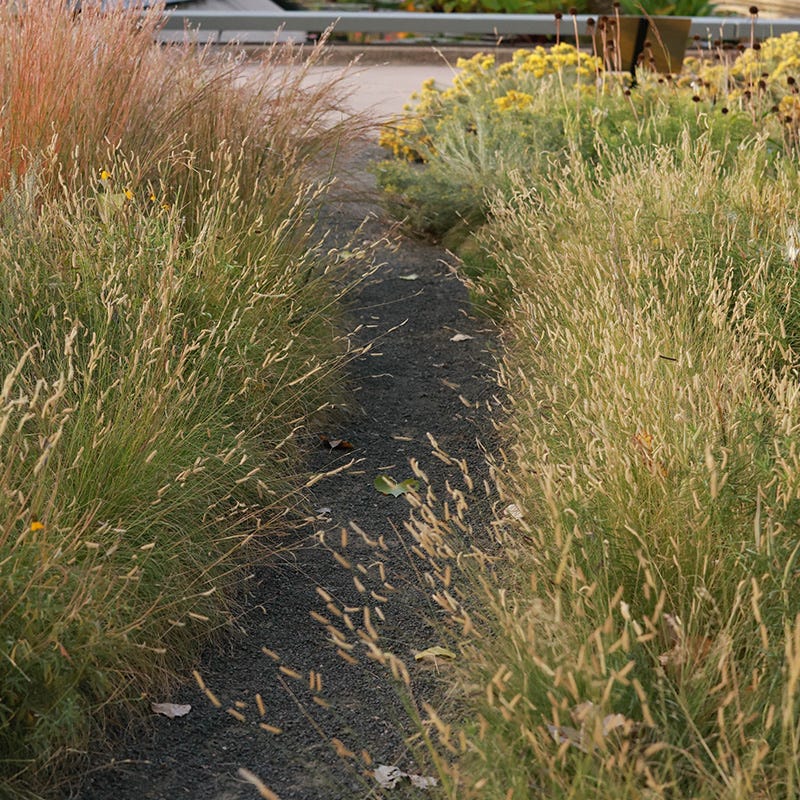
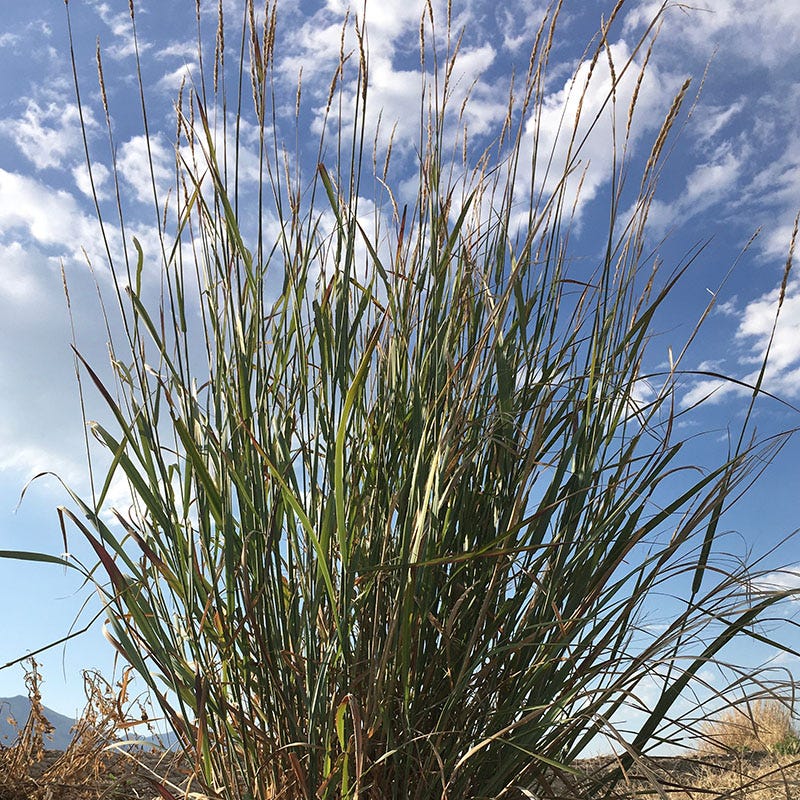
Poa secunda v. juncifolia (Mini Oat Grass) is a Blue Oat Grass lookalike, with similar growth pattern and blue-grey foliage, and is a great option for gardeners look for a similar look with a native plant alternative. This grass has many common names, including pine bluegrass, rush bluegrass, wild bluegrass, big bluegrass, and more. Commonly found in northern, southern, and central California, as well as North Dakota, New Mexico, and southern Canada, it tends to grow at elevations from 2600-10,000 feet. Indigenous Americans, including such as the Gosiute of Utah, have used Poa secunda for food. It is a host plant for many butterflies and moths. This grass is highly drought resistant and is a good choice for erosion control or revegetation and habitat restoration in dry areas.
Poa secunda v. juncifolia (Mini Oat Grass) is a Blue Oat Grass lookalike, with similar growth pattern and blue-grey foliage, and is a great option for gardeners look for a similar look with a native plant alternative. This grass has many common names, including pine bluegrass, rush bluegrass, wild bluegrass, big bluegrass, and more. Commonly found in northern, southern, and central California, as well as North Dakota, New Mexico, and southern Canada, it tends to grow at elevations from 2600-10,000 feet. Indigenous Americans, including such as the Gosiute of Utah, have used Poa secunda for food. It is a host plant for many butterflies and moths. This grass is highly drought resistant and is a good choice for erosion control or revegetation and habitat restoration in dry areas.
$11.99
Mini Oat Grass (Poa)—
$11.99
Description
Poa secunda v. juncifolia (Mini Oat Grass) is a Blue Oat Grass lookalike, with similar growth pattern and blue-grey foliage, and is a great option for gardeners look for a similar look with a native plant alternative. This grass has many common names, including pine bluegrass, rush bluegrass, wild bluegrass, big bluegrass, and more. Commonly found in northern, southern, and central California, as well as North Dakota, New Mexico, and southern Canada, it tends to grow at elevations from 2600-10,000 feet. Indigenous Americans, including such as the Gosiute of Utah, have used Poa secunda for food. It is a host plant for many butterflies and moths. This grass is highly drought resistant and is a good choice for erosion control or revegetation and habitat restoration in dry areas.