🚚 Free Worldwide Shipping on All Orders!Shop Now

1 / 5
Purple Ozark Penstemon
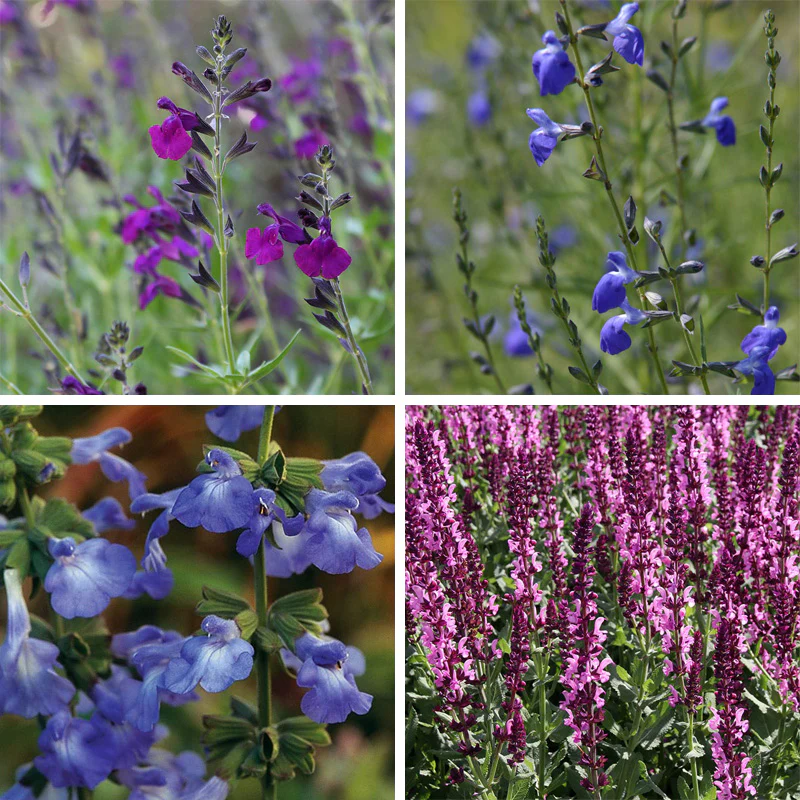
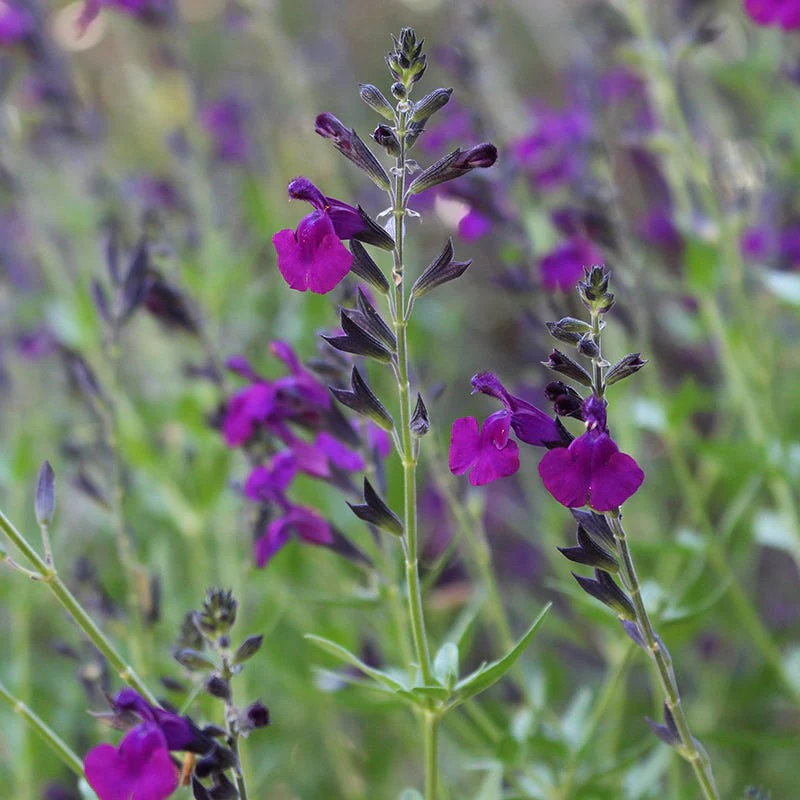
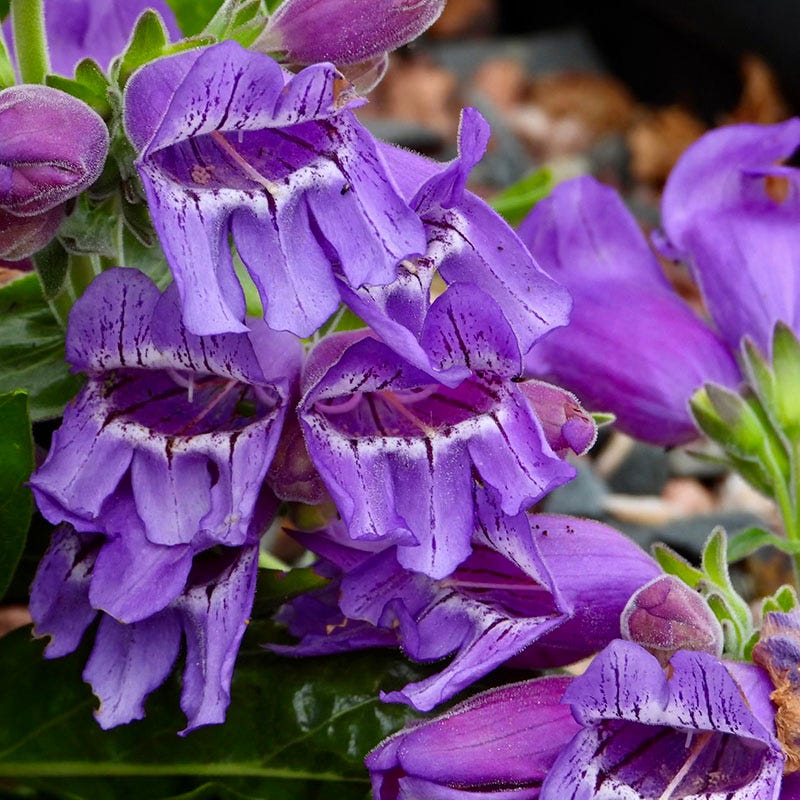
Penstemon cobaea var. purpurea 'Purple Ozark' (Beardtongue) blooms in early summer with spikes of large, lavender-purple flowers pushing up from rosettes of large, glossy, deep green leaves. The foliage is as ornamental as the flowers. This drought tolerant plant may look delicate, but it’s a tough and durable addition to your waterwise garden. In nature, Penstemons, commonly called Beardtongues, are pioneer plants that are some of the first wildflowers to move into places with disturbed soils and areas burned by fire. They can take the difficult dry growing conditions necessary for them to be the plants that first colonize an area, and they are strong re-seeders so they can move into new territory.
Penstemon cobaea var. purpurea 'Purple Ozark' (Beardtongue) blooms in early summer with spikes of large, lavender-purple flowers pushing up from rosettes of large, glossy, deep green leaves. The foliage is as ornamental as the flowers. This drought tolerant plant may look delicate, but it’s a tough and durable addition to your waterwise garden. In nature, Penstemons, commonly called Beardtongues, are pioneer plants that are some of the first wildflowers to move into places with disturbed soils and areas burned by fire. They can take the difficult dry growing conditions necessary for them to be the plants that first colonize an area, and they are strong re-seeders so they can move into new territory.
$13.99
Purple Ozark Penstemon—
$13.99
Description
Penstemon cobaea var. purpurea 'Purple Ozark' (Beardtongue) blooms in early summer with spikes of large, lavender-purple flowers pushing up from rosettes of large, glossy, deep green leaves. The foliage is as ornamental as the flowers. This drought tolerant plant may look delicate, but it’s a tough and durable addition to your waterwise garden. In nature, Penstemons, commonly called Beardtongues, are pioneer plants that are some of the first wildflowers to move into places with disturbed soils and areas burned by fire. They can take the difficult dry growing conditions necessary for them to be the plants that first colonize an area, and they are strong re-seeders so they can move into new territory.