Southwestern Black Cherry (Prunus)
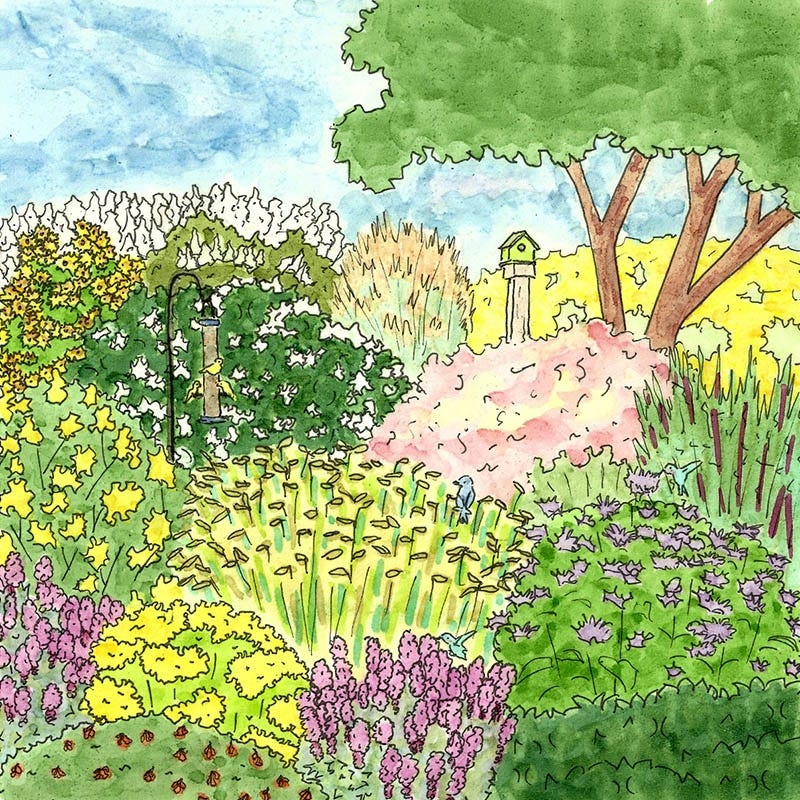
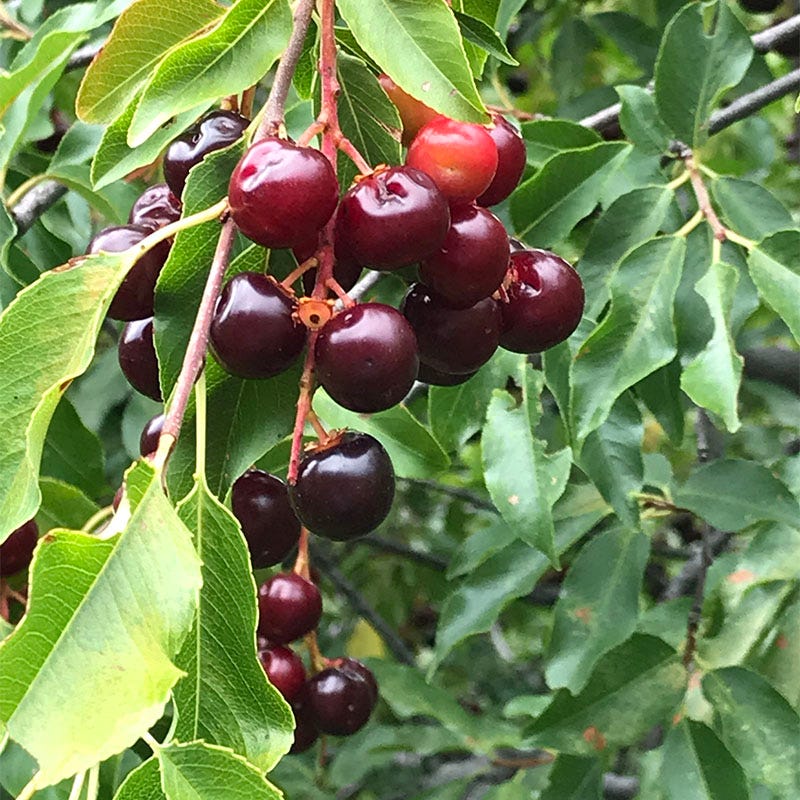
(15-20' tall x 12-15' wide) Southwestern Black Cherry (Prunus serotina v. virens) is highly recommended for both its ornamental features as well as its value to songbirds. Blooming in late spring, multitudes of hanging white flower clusters cover the tree and are followed by a late summer crop of bitter black cherries eagerly eaten by songbirds. In addition to the fruit, it is a host plant to many moths and caterpillars, in turn providing caterpillars which are collected by nesting songbirds and fed to newly hatched chicks. Woody plants in the genus Prunus, along with oaks and willows, are considered some of the most valuable sources of caterpillars needed for nesting birds to feed their young. Support shrinking songbird populations by planting a native cherry tree! Southwestern Black Cherry’s native territory includes west Texas west to Arizona, and south in mountains to the Mexican states of Jalisco and Guanajuato. Cherries can be eaten or used in cooking and baking. All other parts of Prunus species, except the fruits, contain poisonous substances and should never be eaten.
(15-20' tall x 12-15' wide) Southwestern Black Cherry (Prunus serotina v. virens) is highly recommended for both its ornamental features as well as its value to songbirds. Blooming in late spring, multitudes of hanging white flower clusters cover the tree and are followed by a late summer crop of bitter black cherries eagerly eaten by songbirds. In addition to the fruit, it is a host plant to many moths and caterpillars, in turn providing caterpillars which are collected by nesting songbirds and fed to newly hatched chicks. Woody plants in the genus Prunus, along with oaks and willows, are considered some of the most valuable sources of caterpillars needed for nesting birds to feed their young. Support shrinking songbird populations by planting a native cherry tree! Southwestern Black Cherry’s native territory includes west Texas west to Arizona, and south in mountains to the Mexican states of Jalisco and Guanajuato. Cherries can be eaten or used in cooking and baking. All other parts of Prunus species, except the fruits, contain poisonous substances and should never be eaten.
Description
(15-20' tall x 12-15' wide) Southwestern Black Cherry (Prunus serotina v. virens) is highly recommended for both its ornamental features as well as its value to songbirds. Blooming in late spring, multitudes of hanging white flower clusters cover the tree and are followed by a late summer crop of bitter black cherries eagerly eaten by songbirds. In addition to the fruit, it is a host plant to many moths and caterpillars, in turn providing caterpillars which are collected by nesting songbirds and fed to newly hatched chicks. Woody plants in the genus Prunus, along with oaks and willows, are considered some of the most valuable sources of caterpillars needed for nesting birds to feed their young. Support shrinking songbird populations by planting a native cherry tree! Southwestern Black Cherry’s native territory includes west Texas west to Arizona, and south in mountains to the Mexican states of Jalisco and Guanajuato. Cherries can be eaten or used in cooking and baking. All other parts of Prunus species, except the fruits, contain poisonous substances and should never be eaten.